Succession Planning: Preparing for the Future with Confidence
The pandemic has placed many organisations in survival mode, focusing on the day-to-day requirements to keep businesses running. While this has complicated the traditional practice of succession planning, it has also created a valuable opportunity for leaders to develop agile processes and think outside the square when it comes to people and capability.
Robust contingency planning to address sudden changes and immediate needs within the workforce benefits the organisation in the long run – while providing your humans with a sense of assurance for their future.
How Do You Do This?
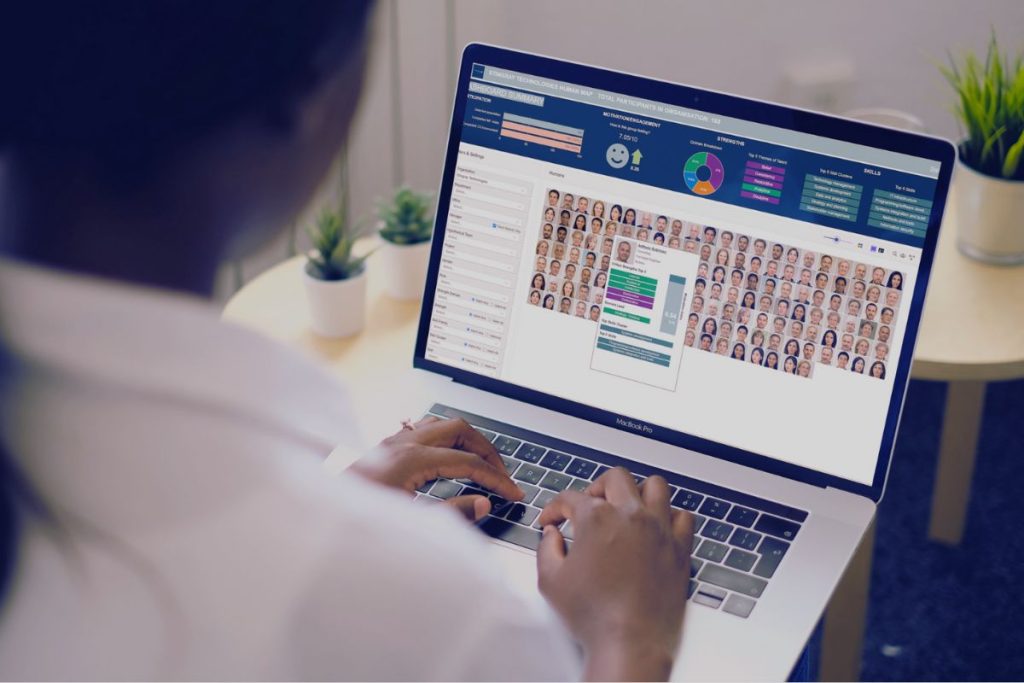
By utilising cutting-edge HR technology, you can easily identify potential successors through data-driven insights. This enables you to track and train new leaders and key people by creating a growth or leadership plan for every human in your organisation.
In this article, we’ll explain why technology plays a critical role in succession planning, and how it can be leveraged to ensure your greatest assets are engaged and retained.
What is Succession Planning and What Are the Benefits?
Put simply, succession planning is planning for the worst by expecting the best.
It’s your opportunity to plan ahead for future resignations or shifts in capability demand, while developing current employees to be future leaders or fill key roles. This ongoing process involves mapping capability, identifying or recruiting talent, unlocking their natural talents, equipping them with additional skills, and preparing them for vertical or lateral career advancements.
Active and strategic succession planning ensures you have the right mix of strengths, skills, and talents during times of change. Without it, you risk operational disruption and unexpected costs.
Benefits of effective succession planning include:
- Greater employee engagement and trust
- Faster turnaround time to fill roles
- Stronger cultural alignment and attraction factors
- Reduced recruitment costs and retention of key performers
According to industry research, 62% of employees feel more engaged with succession plans in place, and 94% of employers say these plans positively affect engagement.
Taking Succession Planning to the Next Level Through Technology
As a people leader, elevating the succession planning process is essential because it:
- Enables leaders and teams to be agile
- Provides a holistic view of future talents
- Identifies key competencies and skills for business continuity
Before starting, define key metrics that reflect the mix of competencies, skills, and attributes your organisation needs. Technology can then identify employees excelling in those areas, uncover hidden talent, and support diversity in hiring decisions.
HR software can also track employee performance and identify capability gaps, strengthening the succession strategy and guiding employees throughout the entire lifecycle.
Which Software is Right for Your Organisation?
If you want to be a forward-thinking HR leader, you need software that removes complexity from succession planning, maps current and future critical roles, and proactively develops high-potential employees.
The Humanico platform does all this and more. It supports continuous and collaborative talent planning, allows leaders to map out different scenarios, and observe the impact of organisational changes. Our succession planning solution helps uncover and invest in the next generation of leaders, while driving knowledge transfer across the business.
In Summary
Recent times have highlighted the need for robust contingency planning and re-evaluation of future leaders in a rapidly changing world. To retain top talent, HR leaders must create an agile environment with continuous growth opportunities. The key is an effective succession planning process, combined with a comprehensive, technology-driven capability map.
Let Humanico help you prepare your organisation for the future. Contact us today to learn more about how we can support your succession planning process.